
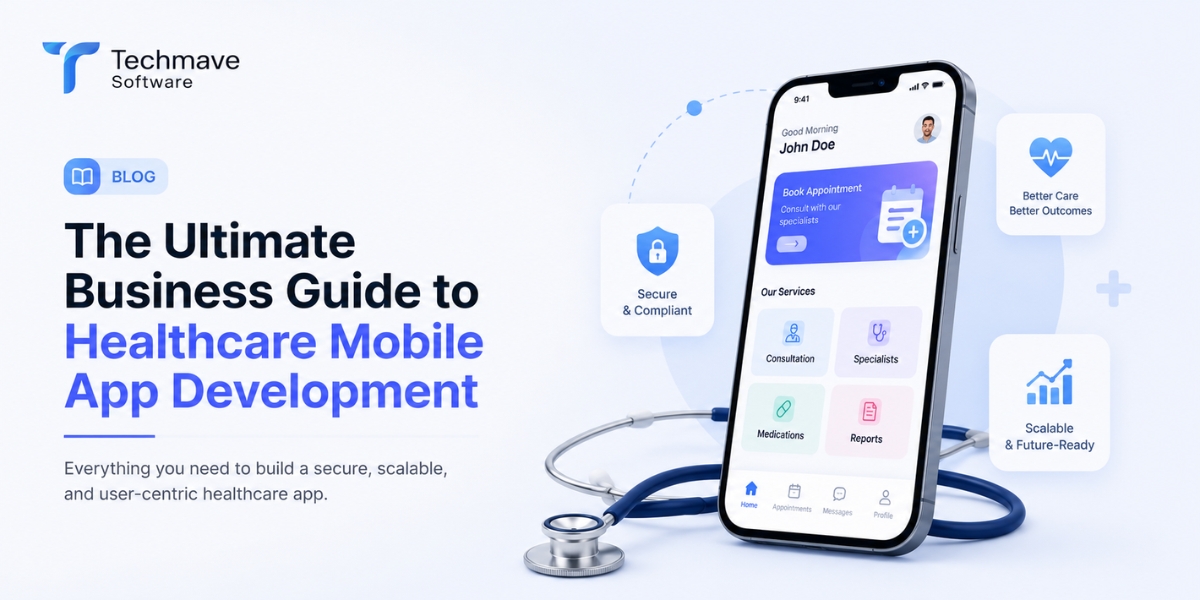

The healthcare industry is changing faster than ever. Patients now expect the same level of convenience from healthcare providers as they do from banking, shopping, or food delivery apps. Whether it’s booking appointments, consulting doctors online, accessing medical records, or tracking fitness goals, mobile technology has become an essential part of modern healthcare.
For healthcare providers, clinics, hospitals, startups, insurance companies, and health tech entrepreneurs, investing in Healthcare Mobile App Development is no longer a competitive advantage. It’s becoming a business necessity.
According to industry reports, the global digital health market continues to grow rapidly, driven by increasing smartphone adoption, telemedicine, wearable devices, AI-powered healthcare solutions, and patient demand for digital services. Businesses that invest in healthcare mobile applications today are better positioned to improve patient care, streamline operations, and increase revenue.
In this comprehensive guide, we’ll explore everything you need to know about healthcare mobile app development, including app types, features, technologies, compliance requirements, development costs, trends, and how to choose the right development partner.
What is Healthcare Mobile App Development?
Healthcare Mobile App Development is the process of designing, developing, testing, and maintaining mobile applications specifically built for the healthcare ecosystem.
These applications help healthcare organizations provide better patient experiences while improving operational efficiency.
Healthcare apps can serve multiple purposes, including:
- Patient appointment scheduling
- Telemedicine consultations
- Electronic Health Record (EHR) access
- Prescription management
- Medication reminders
- Remote patient monitoring
- Mental health support
- Fitness and wellness tracking
- Medical billing
- Health insurance management
Unlike traditional mobile applications, healthcare apps must prioritize data privacy, security, compliance, and reliability.
Why Healthcare Mobile Apps Are Becoming Essential
Healthcare organizations face increasing pressure to provide faster, more personalized, and more accessible care.
Mobile applications solve many common challenges by enabling:
- Faster communication between doctors and patients
- Reduced administrative workload
- Better patient engagement
- Remote healthcare delivery
- Improved medication adherence
- Real-time health monitoring
- Digital record management
- Reduced hospital visits
For businesses, healthcare apps also create new revenue opportunities through subscriptions, premium services, virtual consultations, partnerships, and digital health programs.
Types of Healthcare Mobile Applications
Not every healthcare app serves the same purpose. Understanding the different categories helps businesses identify the right solution for their audience.
1. Telemedicine Apps
Telemedicine applications allow patients to consult doctors through video, voice, or chat.
Popular features include:
- Online appointments
- Video consultations
- Digital prescriptions
- Medical history access
- Follow-up scheduling
2. Patient Engagement Apps
These applications improve communication between healthcare providers and patients.
Common features include:
- Appointment reminders
- Medical reports
- Prescription history
- Secure messaging
- Health education content
3. Electronic Health Record (EHR) Apps
Doctors and hospitals use these apps to securely access patient records.
Benefits include:
- Faster diagnosis
- Centralized medical information
- Reduced paperwork
- Better collaboration among healthcare professionals
4. Medication Reminder Apps
Medication adherence remains a major healthcare challenge.
These apps help patients by offering:
- Pill reminders
- Dosage tracking
- Prescription refill alerts
- Family notifications
5. Remote Patient Monitoring Apps
Using IoT devices and wearables, these apps continuously monitor patients.
Common health metrics include:
- Heart rate
- Blood pressure
- Oxygen levels
- Blood glucose
- Sleep patterns
6. Fitness and Wellness Apps
These applications encourage healthier lifestyles by tracking:
- Daily activity
- Calories
- Exercise
- Nutrition
- Mental wellness
- Hydration
7. Mental Health Apps
Mental healthcare has witnessed significant digital adoption.
Features often include:
- Guided meditation
- Mood tracking
- Therapy sessions
- Journaling
- Stress management exercises
Must-Have Features for Healthcare Mobile App Development
A successful healthcare application combines usability, security, and functionality.
Easy Registration
Simple onboarding using email, mobile number, or social login improves user adoption.
Patient Profiles
Users should have access to complete health records, prescriptions, reports, allergies, and medical history.
Appointment Scheduling
Patients can easily book, cancel, or reschedule appointments.
Video Consultation
Secure video calls reduce unnecessary hospital visits.
Secure Chat
Encrypted messaging enables confidential communication between doctors and patients.
Digital Prescriptions
Doctors can issue prescriptions directly within the application.
Payment Integration
Support secure online payments for consultations and medical services.
Push Notifications
Timely reminders help improve appointment attendance and medication compliance.
Wearable Device Integration
Sync health data from Apple Watch, Fitbit, Samsung Health, or Google Fit.
AI Health Assistant
AI-powered chatbots answer basic health questions and improve customer support.
Essential Compliance Standards
Healthcare apps handle highly sensitive patient information, making regulatory compliance a top priority.
Depending on your target market, your app may need to comply with:
- HIPAA (United States)
- GDPR (Europe)
- PIPEDA (Canada)
- HL7 Standards
- FHIR APIs
- FDA regulations (where applicable)
Failure to comply can result in legal penalties, financial losses, and reputational damage.
Technologies Used in Healthcare Mobile App Development
Modern healthcare applications leverage advanced technologies to deliver secure and scalable experiences.
Artificial Intelligence (AI)
AI supports:
- Disease prediction
- Symptom checking
- Medical image analysis
- Personalized recommendations
- Virtual assistants
Internet of Things (IoT)
Connected medical devices provide continuous patient monitoring.
Cloud Computing
Cloud infrastructure enables secure storage and real-time access to medical records.
Blockchain
Blockchain enhances transparency and prevents unauthorized modification of patient data.
Machine Learning
ML algorithms improve diagnosis accuracy and predictive healthcare analytics.
Augmented Reality (AR)
AR assists doctors during surgeries and medical training.
Benefits of Healthcare Mobile App Development for Businesses
Investing in healthcare app development creates long-term business value.
Better Patient Experience
Patients enjoy faster access to healthcare services without lengthy waiting times.
Improved Operational Efficiency
Digital workflows reduce paperwork and administrative tasks.
Higher Patient Retention
Convenient digital services encourage repeat engagement.
Increased Revenue
Healthcare apps create recurring income through subscriptions, premium services, consultations, and digital health programs.
Competitive Advantage
Healthcare providers offering modern digital experiences stand out in a crowded market.
Data-Driven Decision Making
Analytics help organizations improve healthcare delivery and optimize operations.
Challenges in Healthcare App Development
Developing healthcare applications requires careful planning.
Some common challenges include:
- Data privacy
- Regulatory compliance
- Integration with hospital systems
- User adoption
- Scalability
- Cybersecurity
- Performance optimization
Partnering with an experienced healthcare app development company helps overcome these challenges efficiently.
Healthcare Mobile App Development Process
Building a successful healthcare application involves multiple stages.
Step 1: Business Discovery
Understand the target audience, business objectives, and market requirements.
Step 2: Requirement Analysis
Define features, compliance requirements, integrations, and technology stack.
Step 3: UI/UX Design
Create intuitive interfaces for patients, doctors, and administrators.
Step 4: Development
Develop Android, iOS, or cross-platform applications using scalable architecture.
Step 5: Testing
Perform functional, security, usability, and performance testing.
Step 6: Compliance Review
Ensure regulatory standards are met before deployment.
Step 7: Launch
Publish the application on Google Play Store and Apple App Store.
Step 8: Continuous Maintenance
Regular updates improve performance, security, and user experience.
How Much Does Healthcare Mobile App Development Cost?
The cost of healthcare app development depends on several factors:
- Number of features
- Platform (Android, iOS, or both)
- UI/UX complexity
- Third-party integrations
- AI implementation
- Security requirements
- Compliance standards
- Development team location
Estimated Cost
- Basic Healthcare App: $15,000–$30,000
- Medium Complexity App: $30,000–$70,000
- Advanced Healthcare Platform: $70,000–$200,000+
A detailed consultation is the best way to estimate the actual project cost based on your requirements.
Latest Trends in Healthcare Mobile App Development
Healthcare technology continues to evolve rapidly.
Key trends shaping the future include:
- AI-powered diagnostics
- Predictive healthcare analytics
- Remote patient monitoring
- Digital therapeutics
- Voice-enabled healthcare assistants
- Wearable health ecosystems
- Personalized medicine
- Blockchain-based medical records
- Internet of Medical Things (IoMT)
- Generative AI in patient engagement
Businesses adopting these innovations can deliver more personalized and efficient healthcare experiences.
How to Choose the Right Healthcare App Development Company
Selecting the right technology partner is critical to your project’s success.
Look for a company that offers:
- Proven healthcare app development experience
- HIPAA-compliant development practices
- Strong UI/UX capabilities
- Secure cloud architecture
- Agile development methodology
- Post-launch maintenance
- Transparent communication
- Scalable development solutions
A reliable partner should understand both technology and healthcare regulations.
Why Businesses Are Investing in Healthcare Mobile Applications
Healthcare is becoming increasingly digital, and mobile apps are at the center of this transformation. From virtual consultations and AI-powered health monitoring to personalized patient engagement, mobile applications are helping healthcare providers improve care while operating more efficiently.
For startups, clinics, hospitals, diagnostic centers, insurance companies, and wellness businesses, investing in Healthcare Mobile App Development today means preparing for the future of connected healthcare. A thoughtfully designed app can strengthen patient relationships, reduce operational costs, improve accessibility, and create new opportunities for growth in an increasingly competitive market.
Build a Future-Ready Healthcare App with Techmave Software
At Techmave Software, we specialize in delivering secure, scalable, and high-performance mobile applications tailored to the healthcare industry. Whether you’re launching a telemedicine platform, a patient engagement app, a remote monitoring solution, or a custom healthcare ecosystem, our experienced development team can turn your vision into a reliable digital product.
Our healthcare mobile app development services include:
- Custom Healthcare Mobile App Development
- Android App Development
- iOS App Development
- Cross-Platform App Development
- Telemedicine App Development
- HIPAA-Compliant Application Development
- AI-Powered Healthcare Solutions
- UI/UX Design
- API & EHR Integration
- Ongoing Support and Maintenance
From idea validation to deployment and long-term support, Techmave Software helps healthcare businesses build innovative mobile applications that deliver exceptional user experiences while meeting industry compliance standards.
If you’re ready to bring your healthcare app idea to life, our team is here to help you build a secure, scalable, and future-ready solution.
Frequently Asked Questions (FAQs)
1. What is Healthcare Mobile App Development?
Healthcare Mobile App Development is the process of creating mobile applications for healthcare providers, hospitals, clinics, patients, insurance companies, and wellness businesses to improve healthcare delivery, patient engagement, and operational efficiency.
2. How much does Healthcare Mobile App Development cost?
The development cost typically ranges from $15,000 to over $200,000, depending on app complexity, features, compliance requirements, integrations, supported platforms, and the development team’s expertise.
3. Which features should every healthcare mobile app include?
Essential features include secure login, patient profiles, appointment scheduling, video consultations, electronic prescriptions, payment integration, push notifications, encrypted messaging, and medical record management.
4. Is HIPAA compliance mandatory for healthcare apps?
If your application collects, stores, or shares protected health information (PHI) in the United States, HIPAA compliance is generally required. Other regions may require standards such as GDPR, PIPEDA, or local healthcare regulations.
5. How long does it take to develop a healthcare mobile app?
A basic healthcare app may take 3–5 months, while advanced solutions with AI, telemedicine, wearable integrations, and EHR connectivity can take 6–12 months or more, depending on the project’s scope.
6. Can AI be integrated into healthcare mobile applications?
Yes. AI can power symptom checkers, virtual health assistants, predictive analytics, medical image analysis, personalized treatment recommendations, appointment automation, and patient engagement tools.
7. Which businesses should invest in Healthcare Mobile App Development?
Hospitals, clinics, healthcare startups, diagnostic laboratories, pharmacies, insurance providers, fitness companies, mental health organizations, and wellness brands can all benefit from healthcare mobile applications.
8. Why should I choose Techmave Software for Healthcare Mobile App Development?
Techmave Software combines mobile app development expertise with modern technologies, secure coding practices, scalable architecture, and industry-focused solutions to build reliable healthcare applications that support long-term business growth and an outstanding user experience.